Many companies dismiss meetings as bureaucracy and wasted time. Our view is the opposite: meetings are not formalism - a company's direction is refined through them. Here is why sound decisions need accumulated meeting time, and why the best-run companies actually meet more.
Important Decisions Are Never One-Person Guesses
A conclusion that truly matters is rarely produced by a single person on the spot. It is worked out through repeated meetings that lay the problem open, debate it, stress-test it and gradually sharpen it. A decision that has not been argued through will steer execution off course - and once the direction is wrong, speed only carries you further from the goal.
The Best Companies Are "Meeting Heavy"
Nearly every high-performing organization is a heavy user of structured meetings, and the data is striking:
- Huawei reports employees spend a majority of working hours in meetings, where most key decisions and ideas are formed;
- Google advances much of its work through meetings, with senior leaders holding a very large number each week;
- Amazon executives spend 10-20 hours weekly in "working backwards" meetings that decide what to build and what not to build;
- Harvard Business School research finds Fortune 500 CEOs attend dozens of meetings a week, with most of their time given to meetings and communication.
Even leaders famous for disliking meetings mainly object to large, conclusion-free gatherings; for genuinely critical issues they demand very frequent check-ins. The more important the decision, the more often a team must align.
What We Reject Are Meetings Without Resolutions
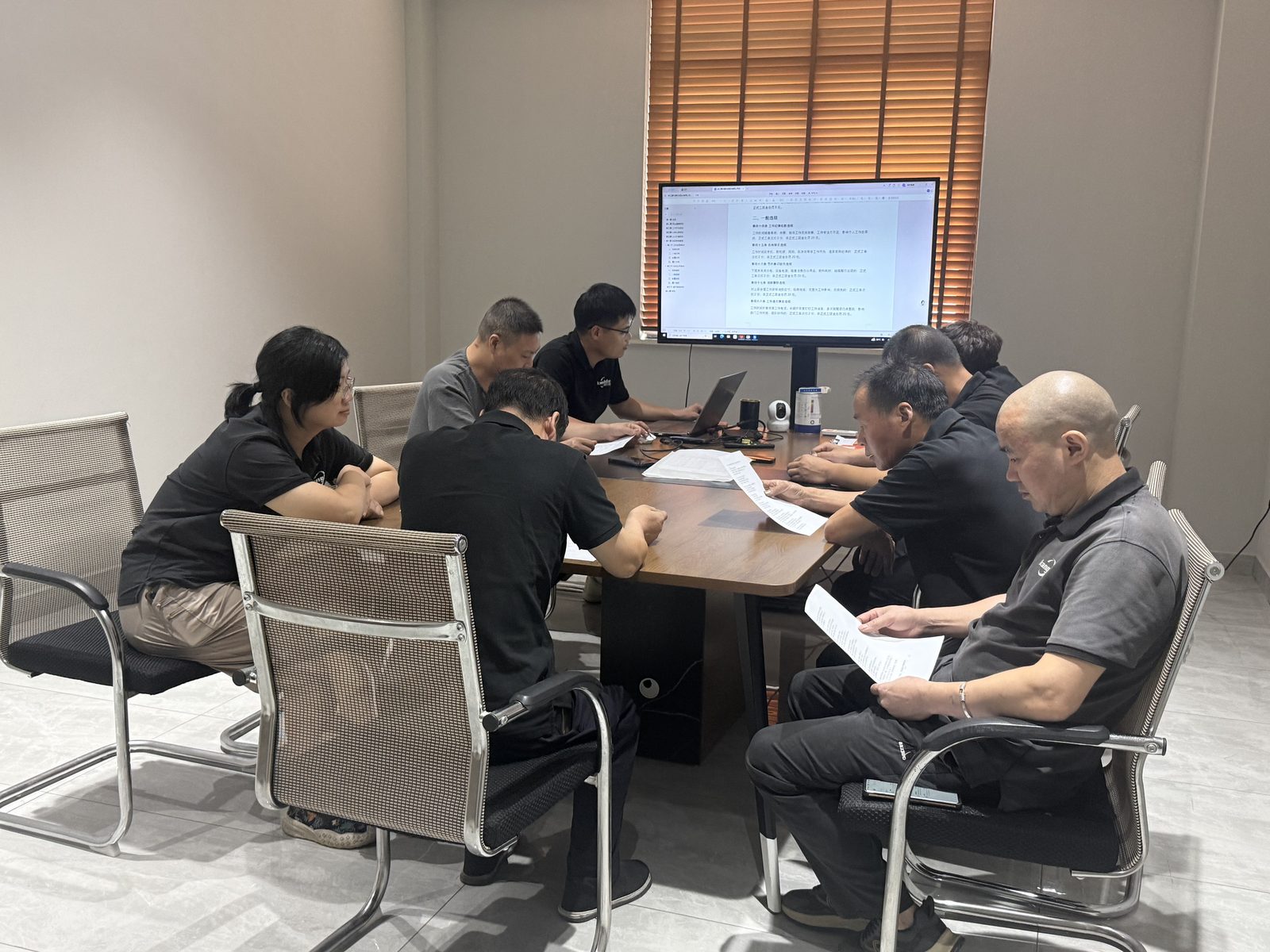
We reject formalism, not meetings. A formalistic meeting has no agenda beforehand, drifts during the session and leaves no action afterward - a hundred of them achieve nothing. At Kilterra every meeting has one core rule: it must produce a resolution. Before the meeting, an agenda goes out so everyone arrives thinking; during it, conclusions are set with named owners and deadlines; after it, execution is checked, and the first item of the next meeting is a review of the last resolution. That is what turns a meeting into a management tool.
Direction Is Deliberated, Not Shouted
Direction is discussed into being, and resolutions are refined, not simply written down. A company willing to debate its own direction repeatedly - and to decide only once it has thought it through - is a company you can trust with your product. For 37 years Kilterra has stood by that commitment to quality and delivery.