
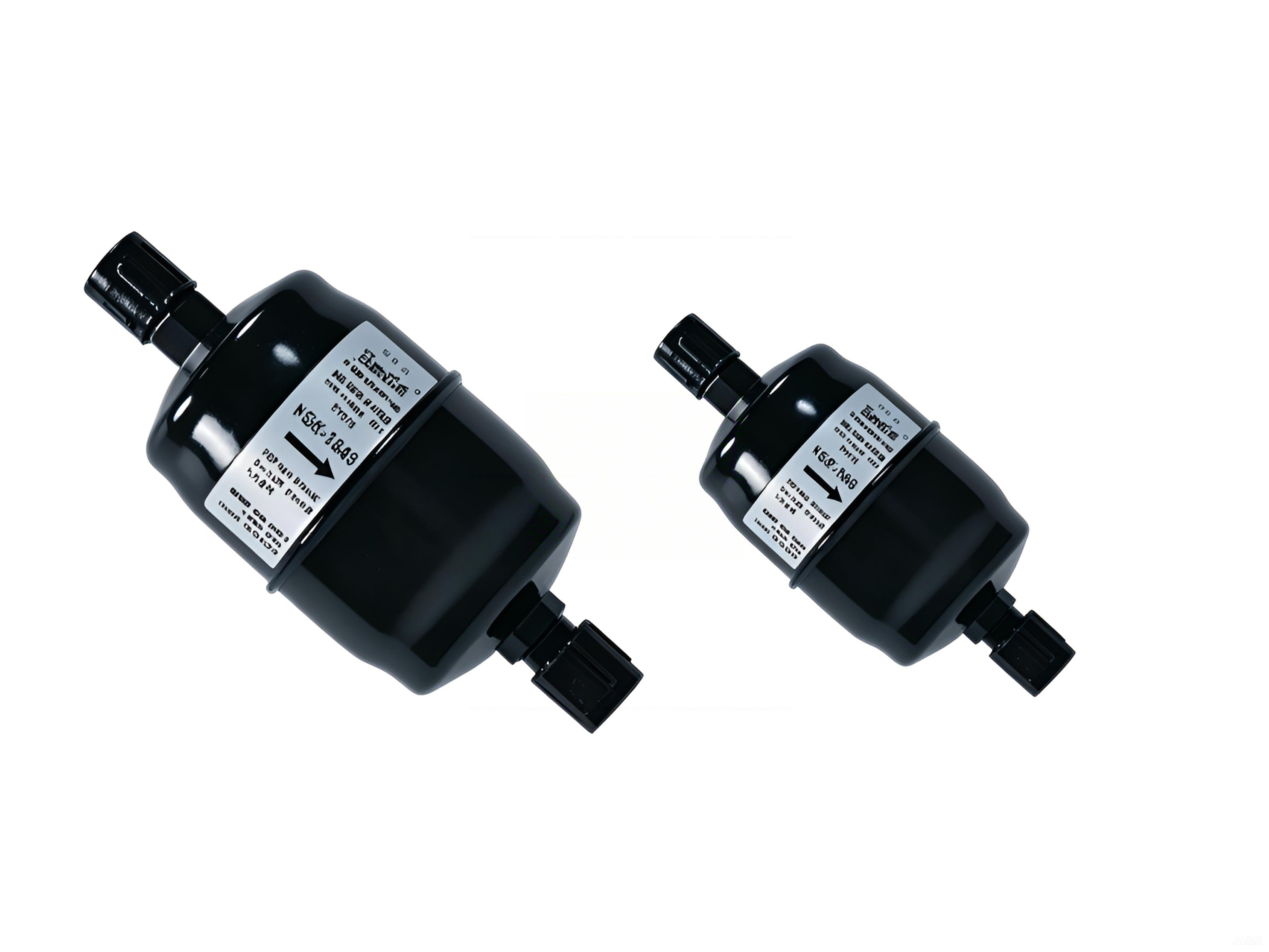
The filter drier is the goalkeeper of a refrigeration system. It intercepts moisture, contaminants and acid in the refrigerant line before they reach precision parts such as the compressor. Kilterra KLD/KLE liquid-line filter driers combine high-efficiency molecular sieve with activated alumina for one-step drying and filtration, widely used in commercial air conditioning, chillers and ice makers.
Materials and Manufacturing
Kilterra filter drier shells are formed from drawn copper tube or steel tube in one piece, filled with imported or self-produced molecular sieve with strictly verified charge weight. Brazing uses nitrogen shielding to prevent inner-wall oxidation; every unit passes pressure, leak and dryness sampling tests under the ISO9001 system.
Quality Checkpoints
- Match the port size and shell to system capacity and line diameter
- Choose the desiccant formula for your refrigerant (R22/R410A/R32/R290 differ)
- Pick filtration grade by system cleanliness requirements (40-60 mesh is common)
- Select copper or stainless steel shell for corrosive environments; pressure rating must cover peak values
- Choose bidirectional/unidirectional and replaceable-core/non-replaceable by maintenance habits
Quality FAQ
- How often should a filter drier be replaced? - Every 2-3 years normally; immediately after major repair or moisture ingress.
- How do I know the drier is blocked? - Feel the inlet/outlet temperature difference: hot in, cold out means blockage.
- Can an R22 drier be used in an R32 system? - No, pressure rating and desiccant formula differ.
- What does discolored desiccant mean? - Moisture saturation, water content exceeded - replace now.
For 37 years Kilterra has focused on one thing: build refrigeration components right, deliver them on time. Filter Drier supports OEM/ODM customization - factory visits, sample testing and volume partnerships are welcome.